
What Is a Server and How Does It Work in Simple Terms
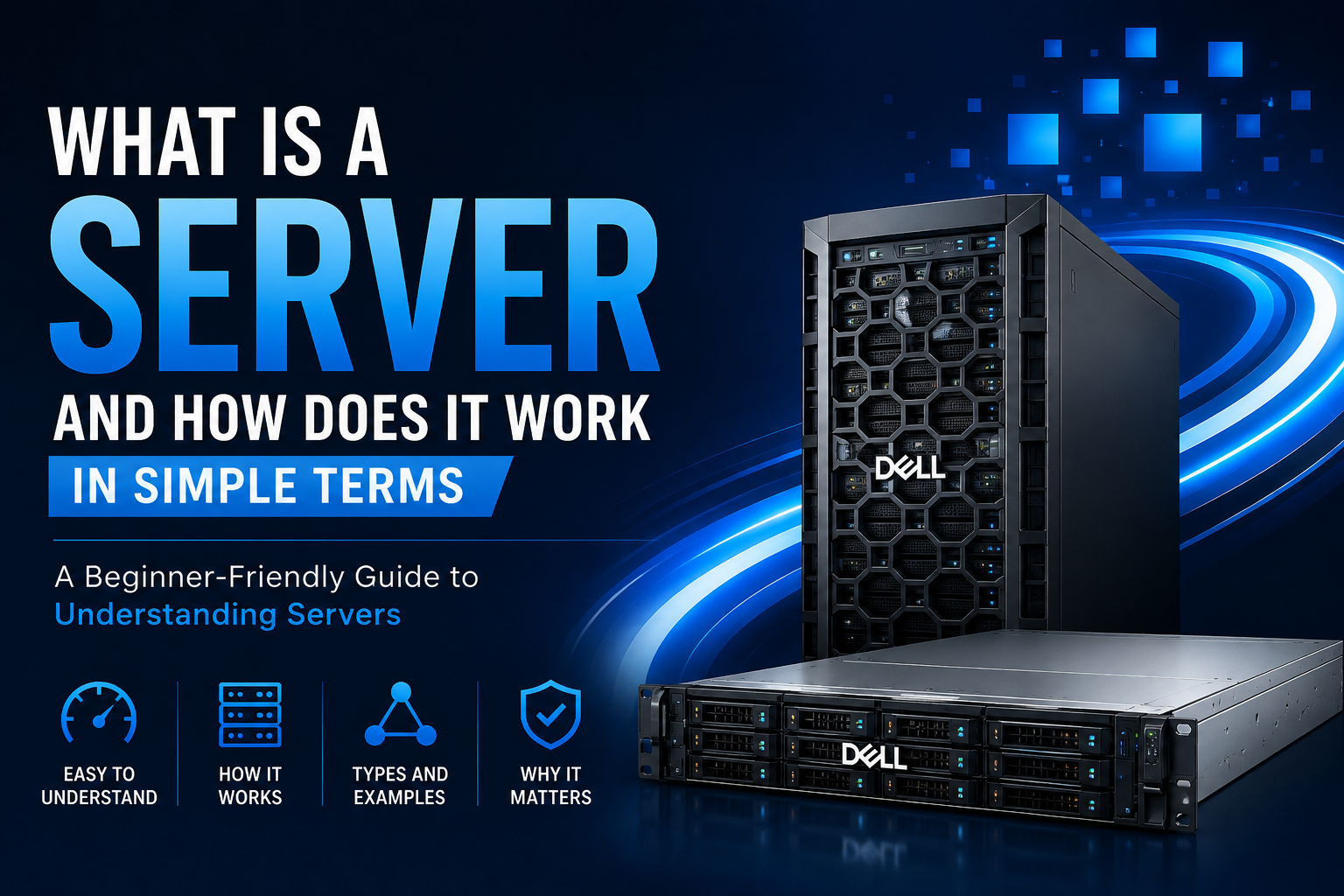
A server is a system that stores and delivers data to other devices over a network. It processes user requests and responds with websites, apps, or files in real time.
A server is a computer or system designed to store, manage, and deliver data or services to other devices over a network. These devices, such as smartphones, laptops, or tablets, are called clients. Whenever you access a website, use an app, or stream a video, you are interacting with a server.
In simple terms, a server acts like a central provider of information. It waits for requests from users and responds by sending the required data.
Understanding a Server with a Simple Example
Imagine you are ordering food at a restaurant. You place your order, the kitchen prepares it, and the waiter brings it back to your table. In this scenario:
- You are the client
- The kitchen is the server
- The food is the data
Similarly, when you open a website, your device sends a request, and the server responds with the website content.
How Does a Server Work?
The working of a server follows a simple process:
1. Request Is Sent
When you type a website address or click a link, your browser sends a request to a server.
2. Server Receives the Request
The server listens for incoming requests and identifies what the user is asking for.
3. Processing the Request
The server processes the request. This may include fetching data from a database or running an application.
4. Sending a Response
Once the request is processed, the server sends the required information back to the client.
5. Displaying the Output
Your browser receives the data and displays it as a webpage, video, or file.
Types of Servers
Servers are built for specific purposes. Some common types include:
- Web Server – Delivers websites and web pages
- Database Server – Stores and manages structured data
- File Server – Allows users to store and access files
- Email Server – Handles sending and receiving emails
- Application Server – Runs software applications
Each type of server is optimized to perform a particular task efficiently.
Why Servers Are Important
Servers are essential because they power almost everything on the internet. Without servers:
- Websites would not load
- Online services would not function
- Data could not be shared across devices
They ensure that information is delivered quickly, securely, and reliably.
Where Are Servers Stored?
Servers are usually located in data centers, which are secure facilities designed to keep them running continuously. These centers include:
- Backup power systems
- Cooling infrastructure
- High-speed internet connections
- Advanced security systems
Modern technology also allows servers to exist in the cloud, meaning they can be accessed remotely without physical hardware.
Key Features of a Server
- High Reliability – Operates continuously without downtime
- Scalability – Can handle increasing numbers of users
- Security – Protects sensitive data and connections
- Performance – Processes multiple requests at the same time
Server vs Client
A server and a client work together in a network:
- A Server provides resources or services
- A client requests and uses those services
For example, your phone (client) requests a webpage, and the server delivers it.
Conclusion
A server is a fundamental part of how the internet works. It receives requests, processes them, and sends back the required information. Even though it operates in the background, it plays a critical role in delivering everything you see and use online.
Understanding servers helps you build a strong foundation in technology, whether you are learning web development, networking, or simply exploring how the internet works.